This site hosts independent analytical texts on technology, work, society, culture and art.
The articles published here are written without algorithmic constraints, without imposed formats, and without the pursuit of consensus. Each text is meant to stand on its own, developed at the pace required by analysis rather than by the attention economy.
The focus is on clarity, structure, and reasoning — not on reaction, trend-following, or commentary on existing discourse.
De la danse au code, du synthétiseur aux formes psychédéliques, je raconte comment l’art, la science, l’humour et l’amitié façonnent ma manière d’être au monde et pourquoi une œuvre reçue par une seule personne est déjà une transmission.
Humaniste, républicain, libéral et conservateur au sens philosophique, je tente ici de dire ce qui me porte : la liberté, la responsabilité, la transmission, la dignité et une curiosité spirituelle ouverte aux sagesses du monde.
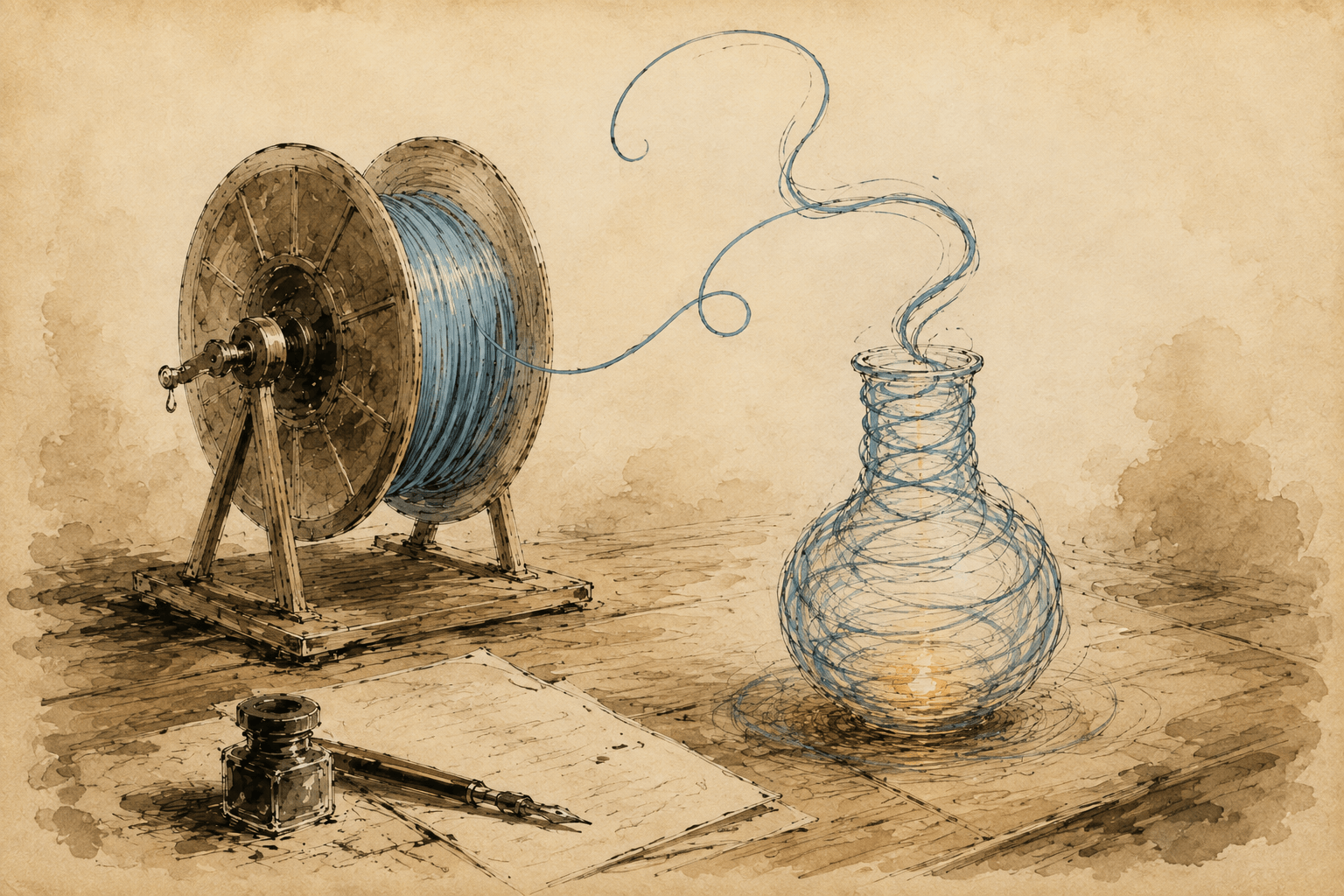
Et si l’imagination pouvait prendre corps, couche après couche ? Entre chaleur, filament et lumière, l’imprimante 3D devient une alchimiste moderne, capable de tisser nos rêves en objets.
Nous admirons l’intelligence en théorie. Mais lorsqu’elle révèle nos erreurs, menace notre statut ou bouscule nos certitudes, elle peut susciter méfiance, rejet et hostilité. Pourquoi comprendre davantage devient-il parfois socialement dérangeant ?
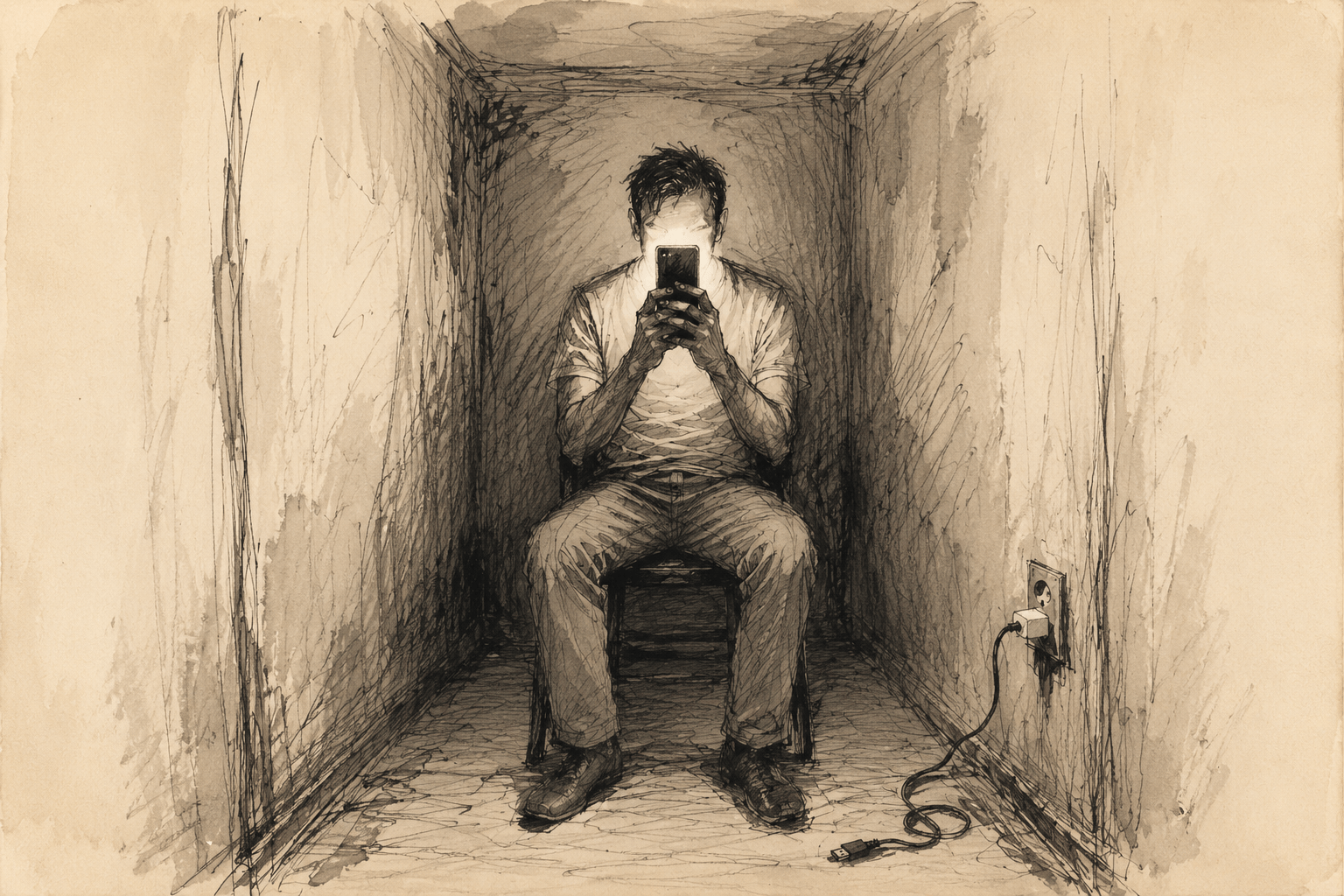
Nous croyons juger les faits, mais les apparences, nos convictions et notre besoin d’avoir raison orientent souvent notre regard. La lucidité commence lorsque nous interrogeons autant ce qui nous trompe que ce que nous refusons de voir.
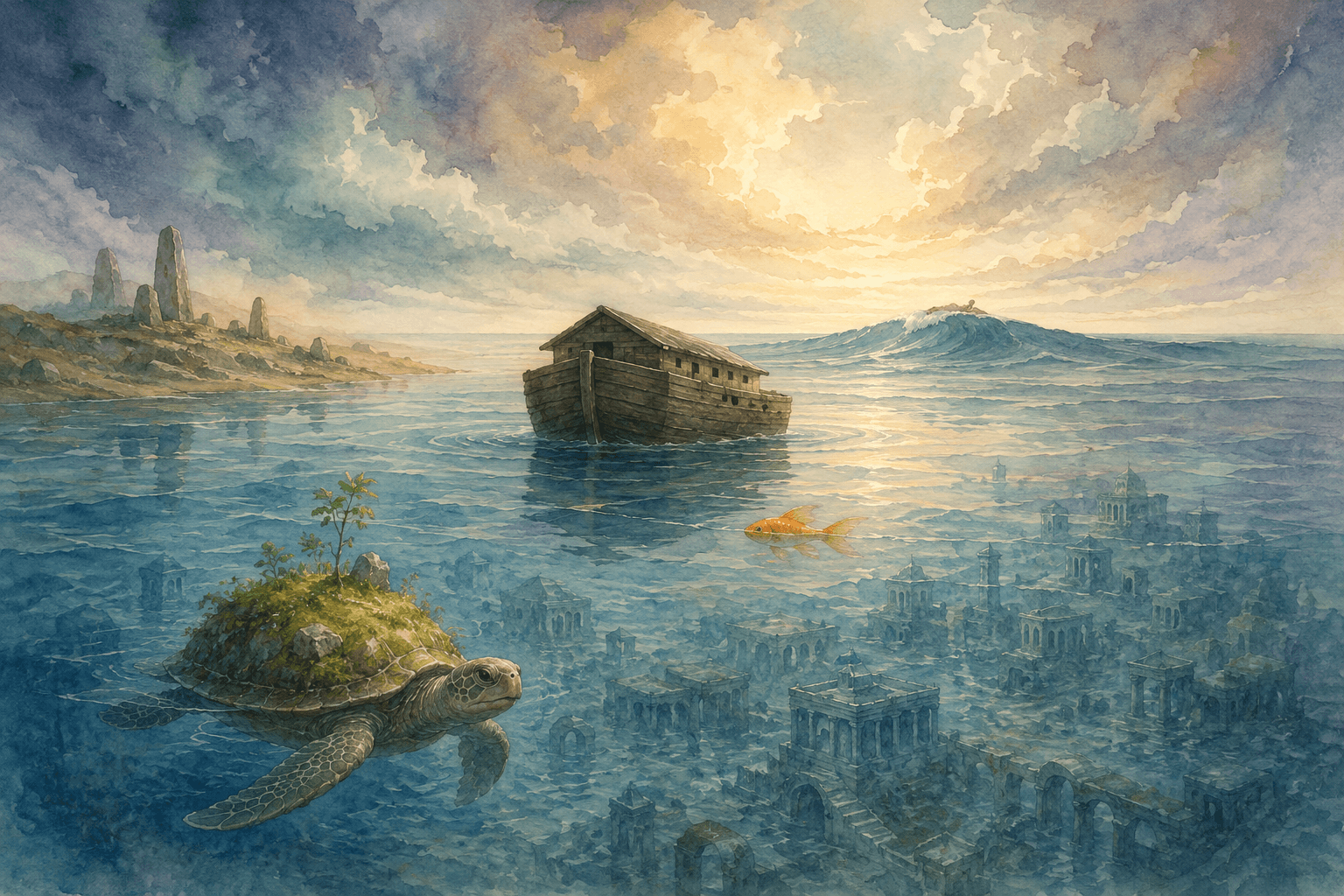
Des récits du Déluge aux cités englouties, l’eau ne raconte pas seulement la catastrophe : elle révèle la fin d’un monde, la mémoire à sauver et l’espérance d’une renaissance.
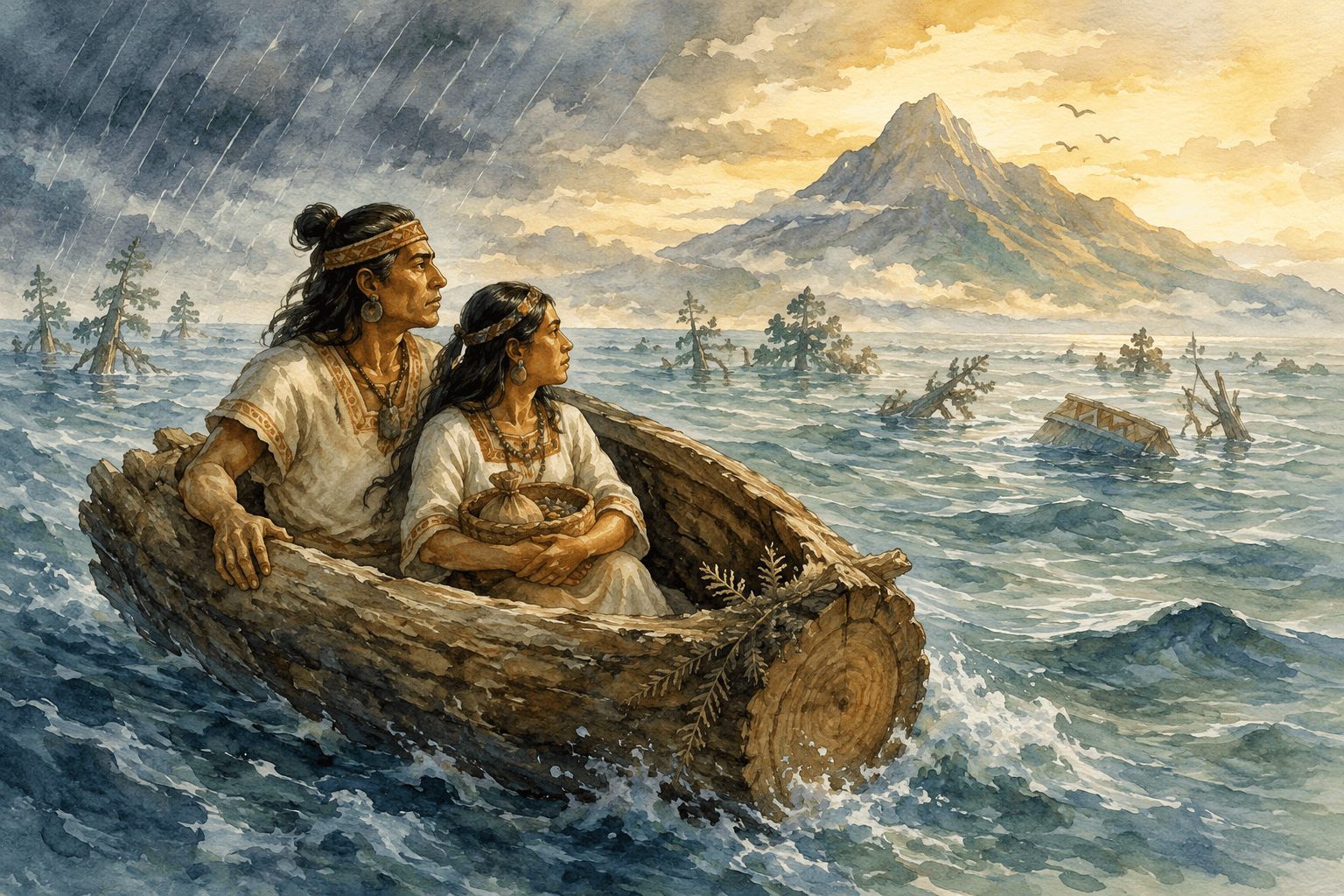
Quand les eaux engloutissent l’ancien monde, Coxcox et son épouse survivent dans un tronc de cyprès. Sur une montagne rendue par le Déluge, ils sèment les premières graines d’une humanité nouvelle.
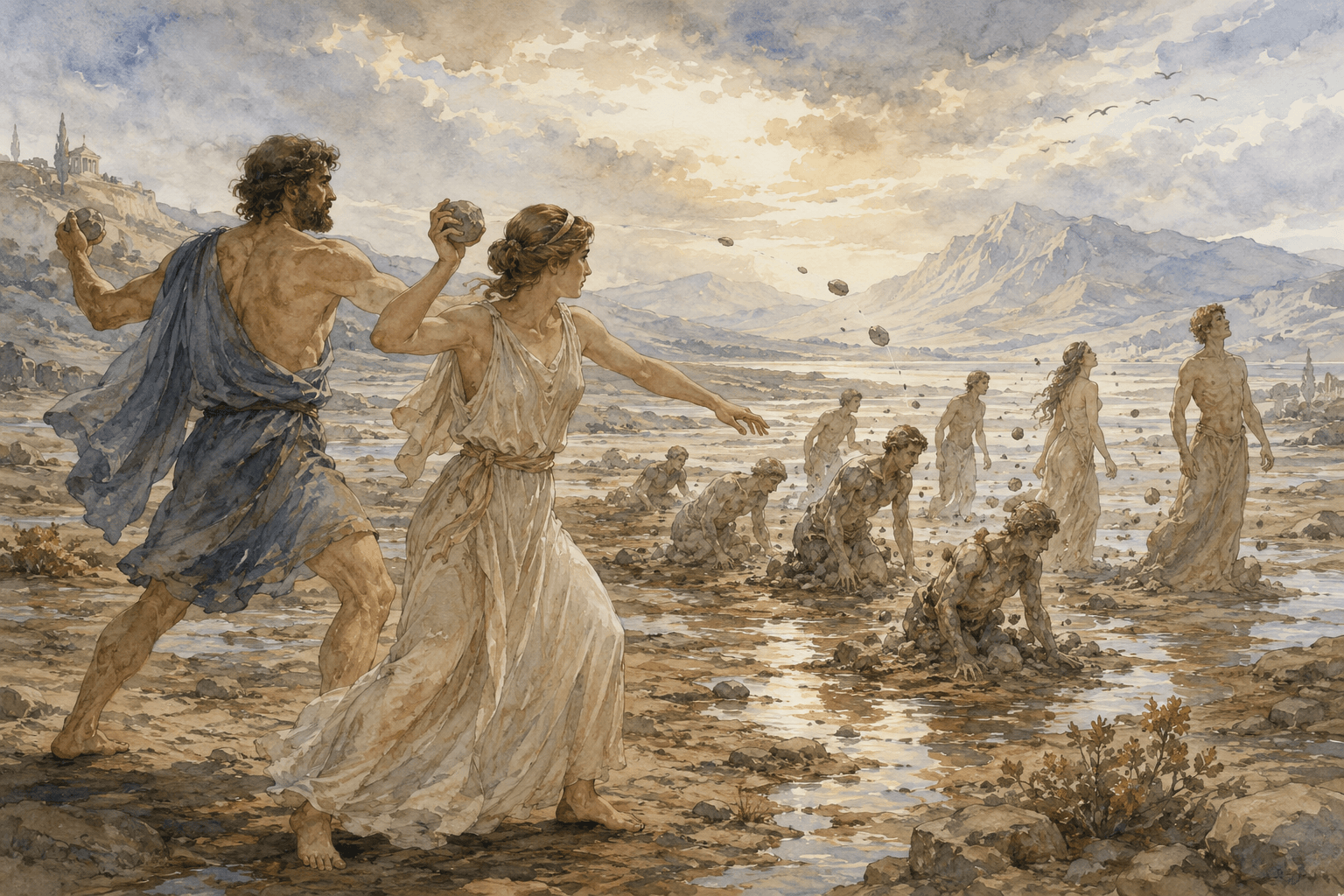
Après le Déluge, Deucalion et Pyrrha se retrouvent seuls devant un monde vidé de ses hommes. Pour faire renaître l’humanité, ils devront comprendre une parole mystérieuse : jeter derrière eux les os de leur mère.
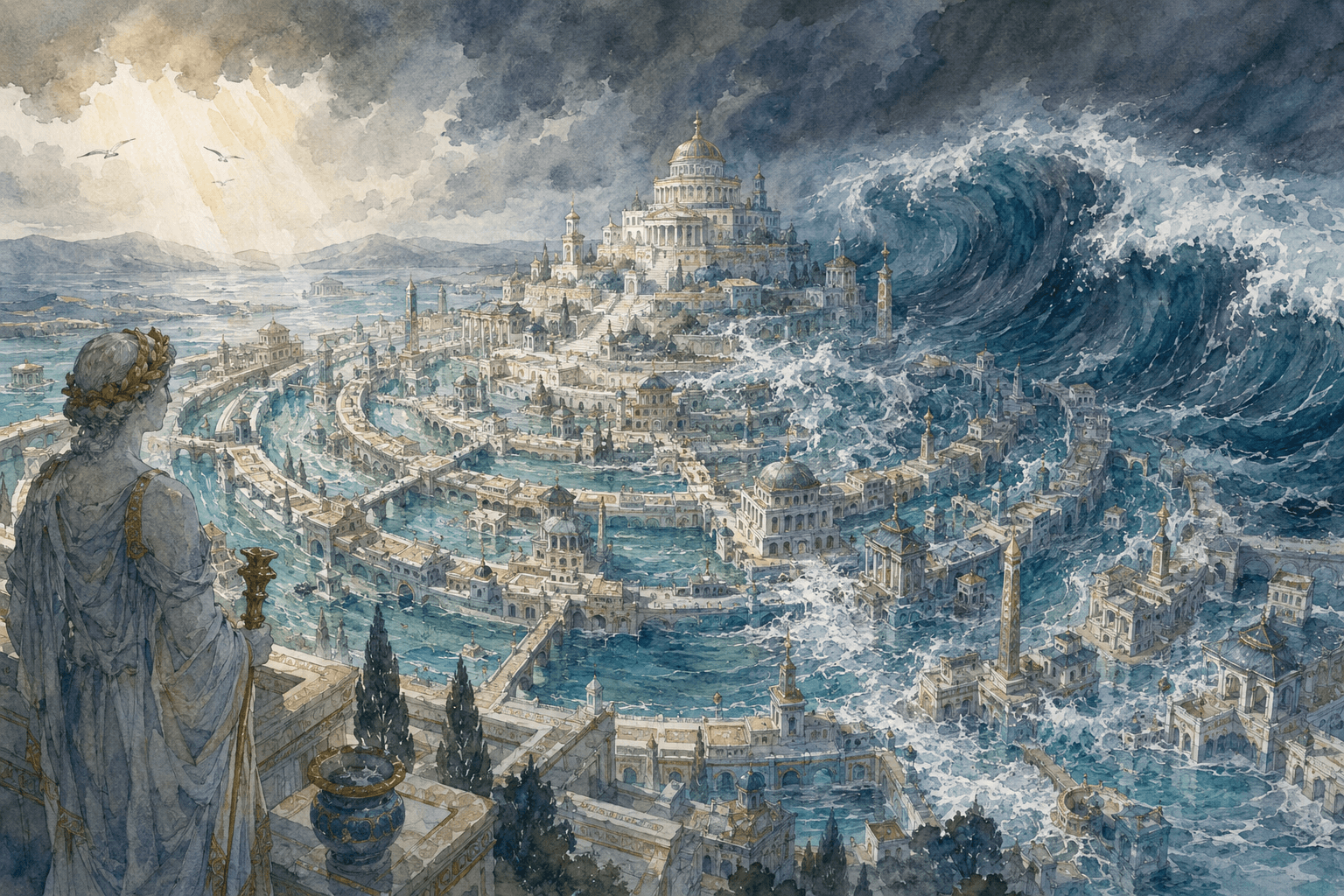
Une île riche et puissante croyait dominer la mer et les peuples. Mais lorsque l’orgueil remplaça la justice, les eaux se levèrent pour reprendre l’Atlantide et ensevelir sa splendeur.
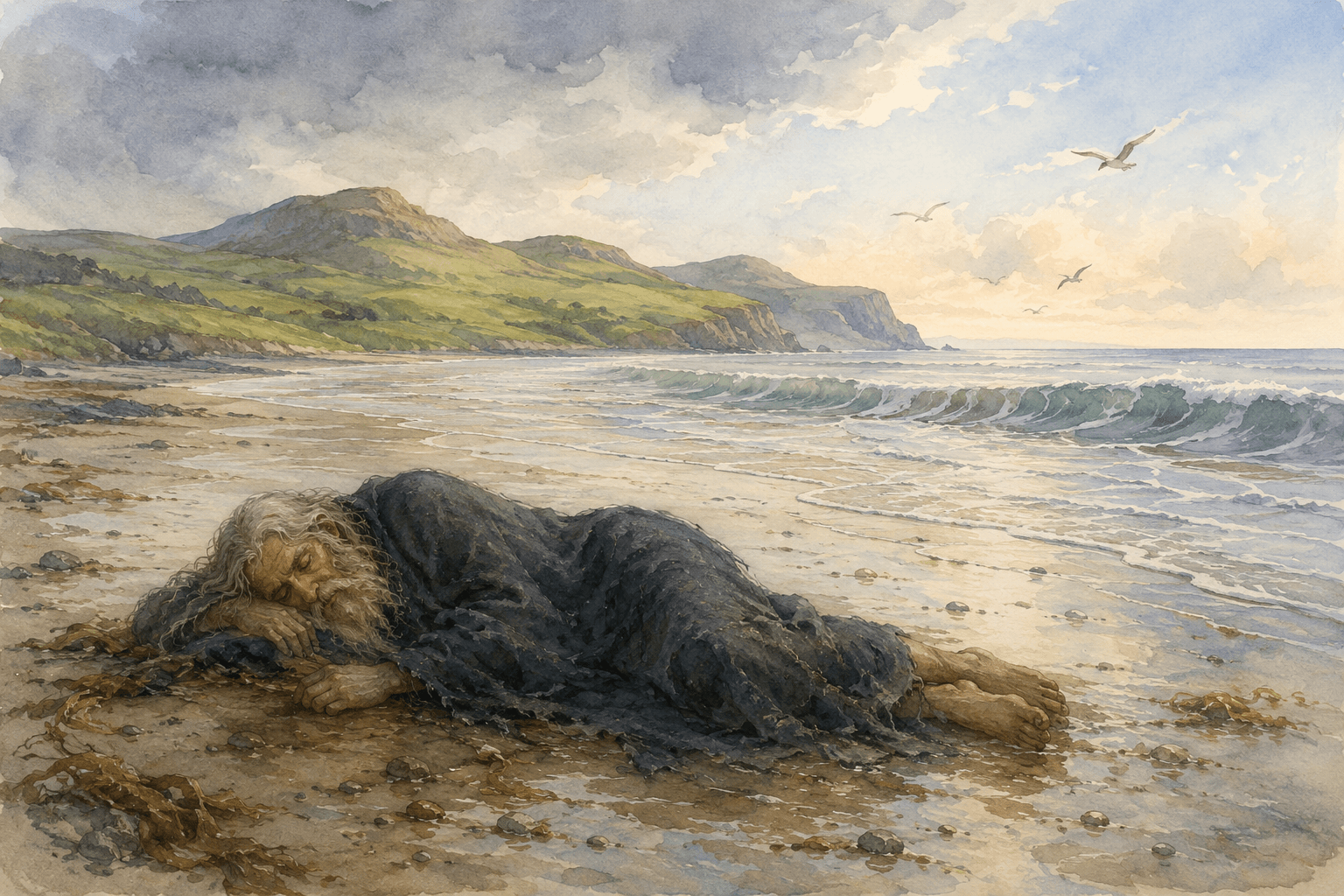
Porté par une vague après le Déluge, Fintan dort des siècles sur une grève d’Irlande. À son réveil, il devient le gardien d’un monde disparu et transmet aux hommes la mémoire des origines.
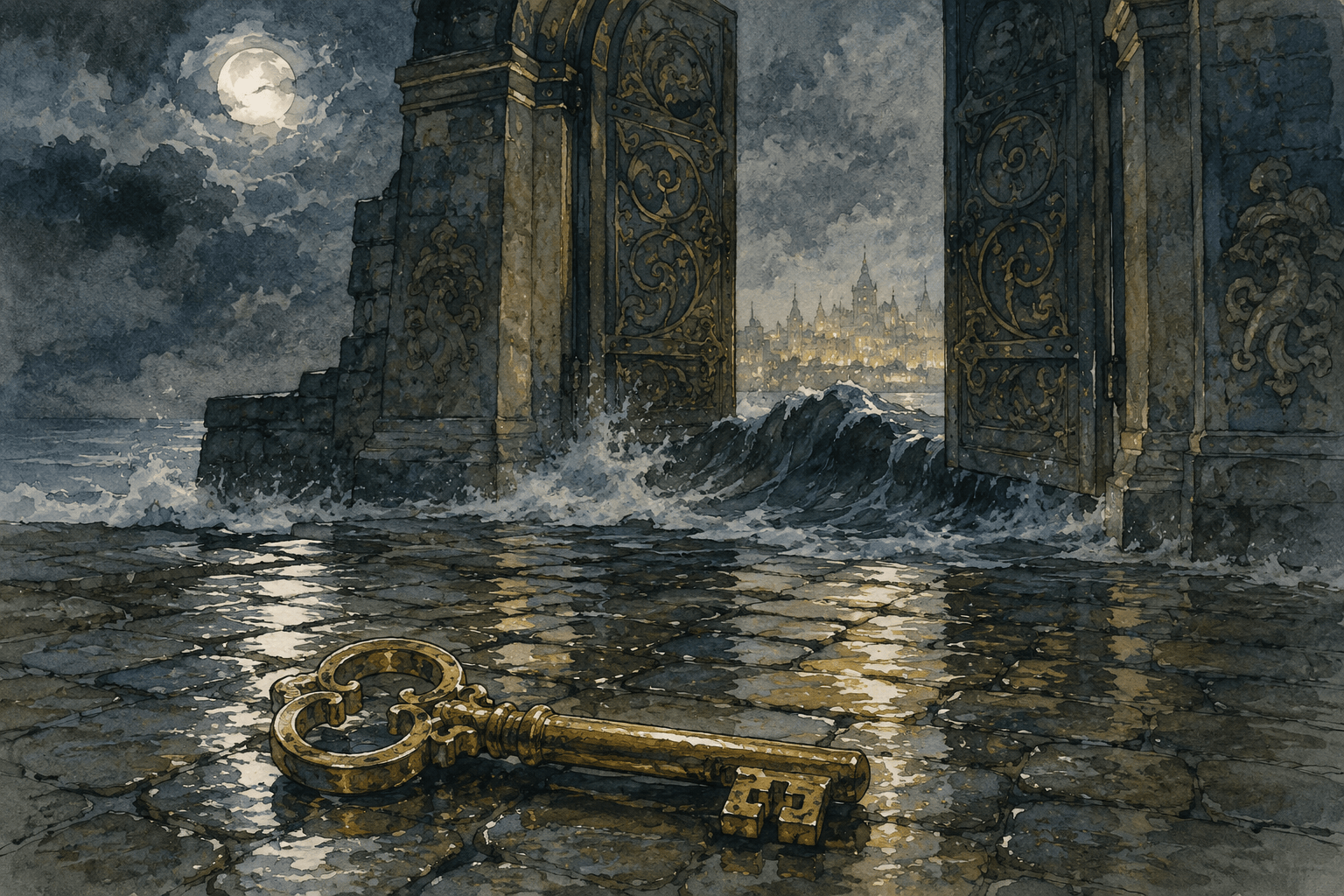
Dans la ville d’Ys, bâtie contre la mer pour satisfaire une princesse orgueilleuse, une clef dérobée suffit à ouvrir les portes de l’abîme. Quand les eaux entrent, tout un royaume apprend trop tard le prix de l’imprudence.
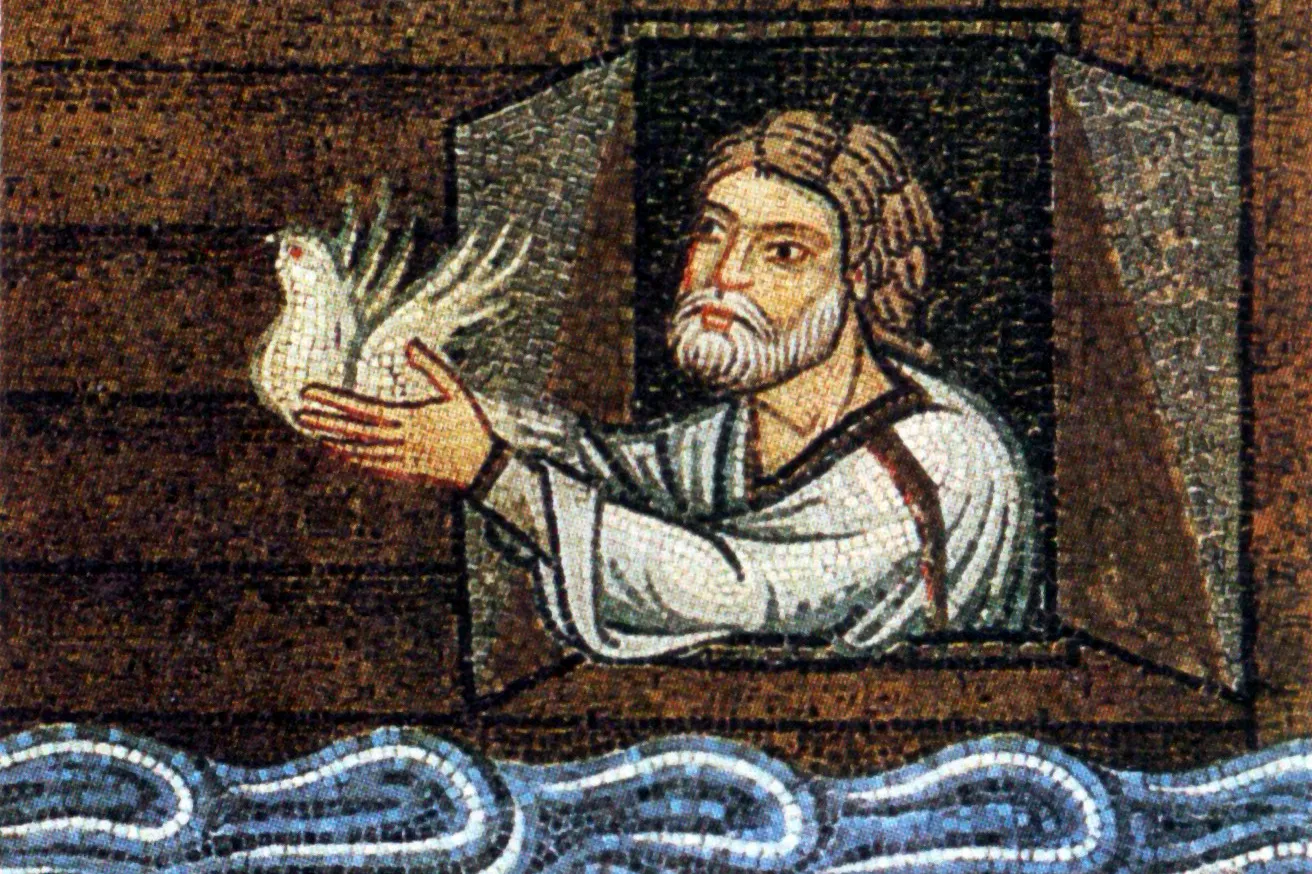
Quand les eaux recouvrent le monde, Noé sauve dans l’arche la mémoire du vivant. Entre récit biblique, conte ancien et traditions populaires, le Déluge devient une histoire de jugement, de patience et de recommencement.
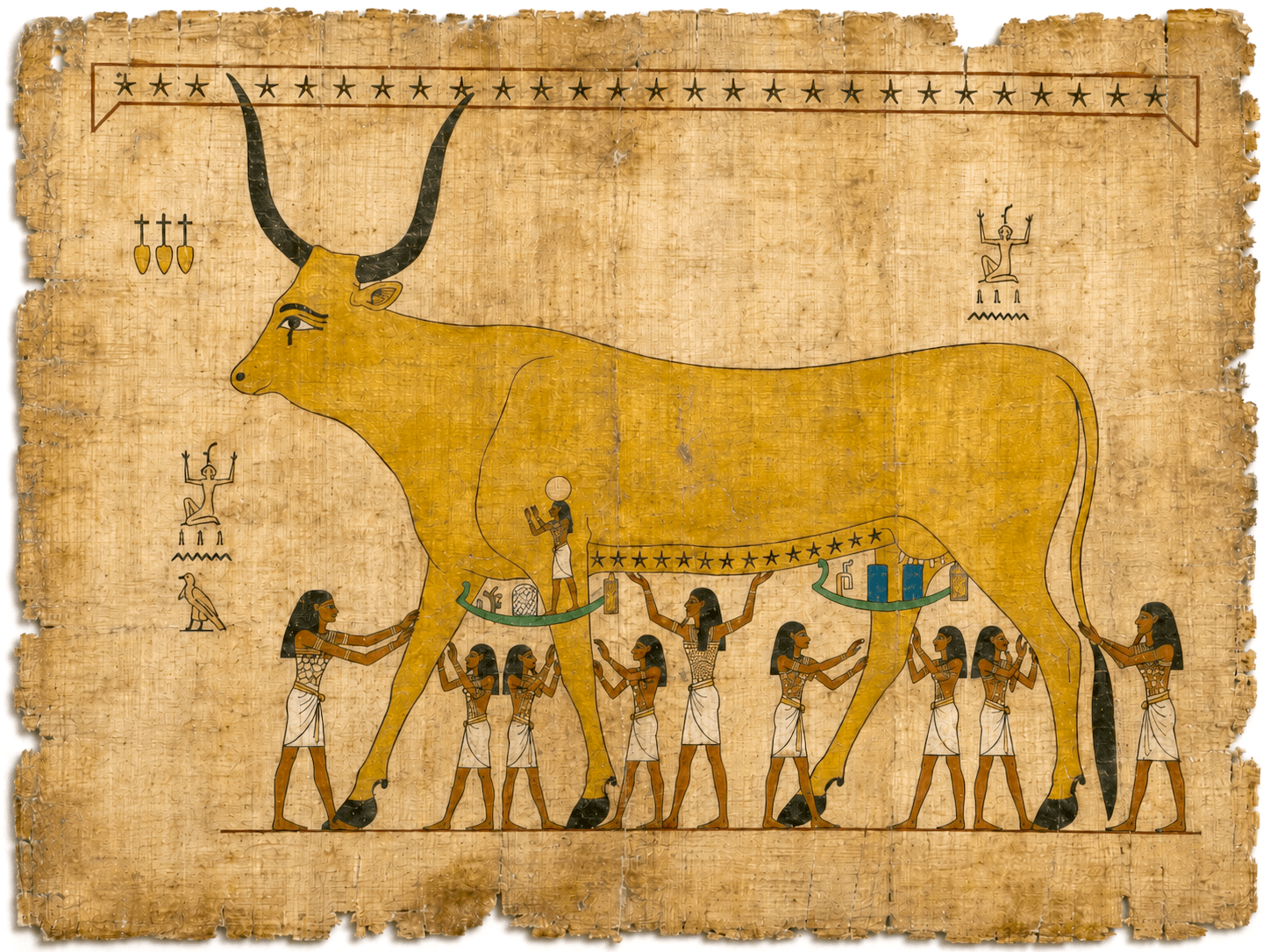
Dans l’Égypte ancienne, les hommes se révoltent contre Rê. Pour les punir, le dieu solaire envoie une déesse-lionne massacrer l’humanité. Mais pour sauver les derniers vivants, il faudra tromper sa fureur avec une bière rouge comme le sang.
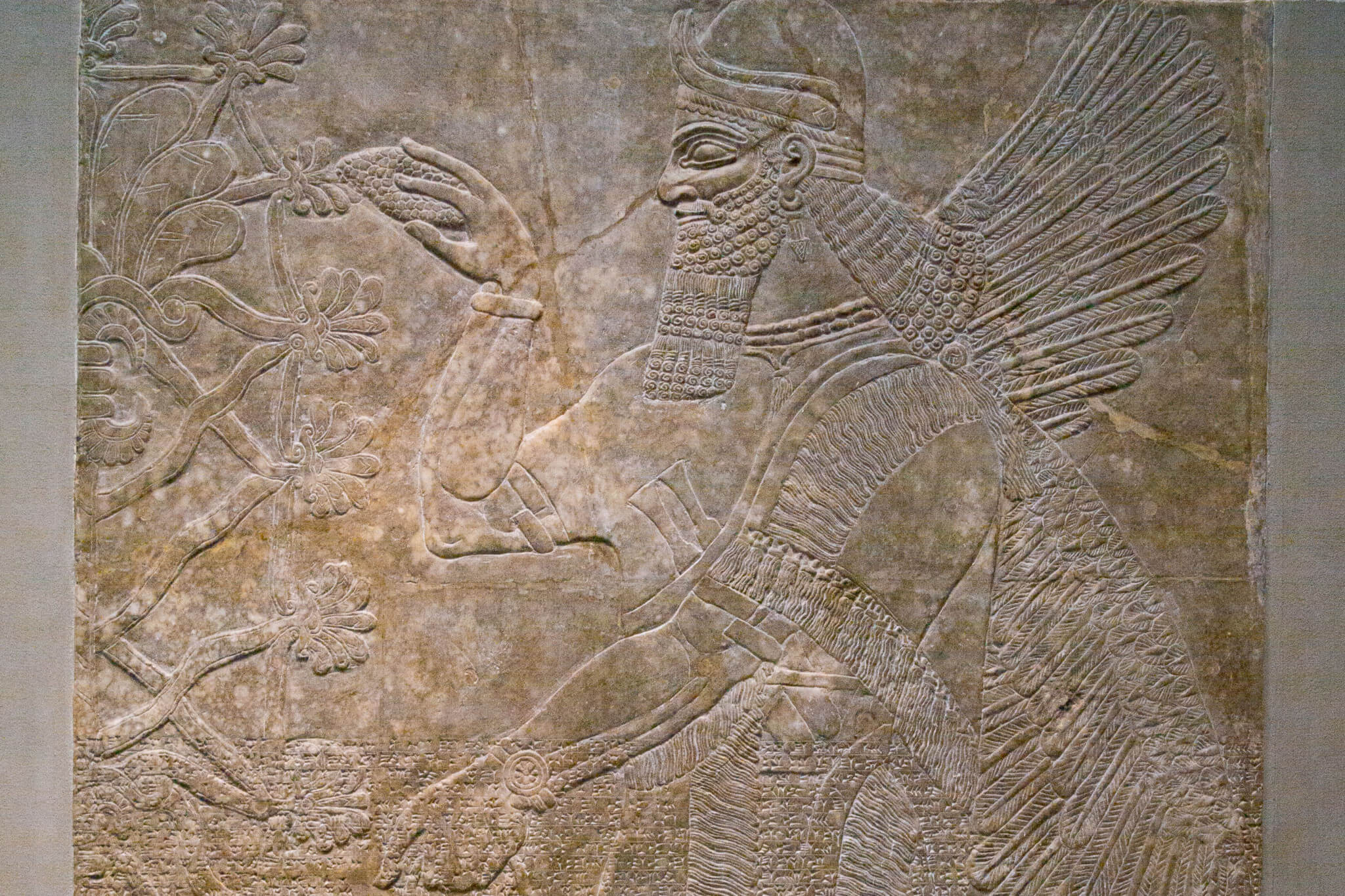
Avant Noé, la Mésopotamie racontait déjà le Déluge : un homme sage, averti en secret, construit un bateau pour sauver sa famille, les animaux et les semences du monde, tandis que les dieux eux-mêmes regrettent leur colère.
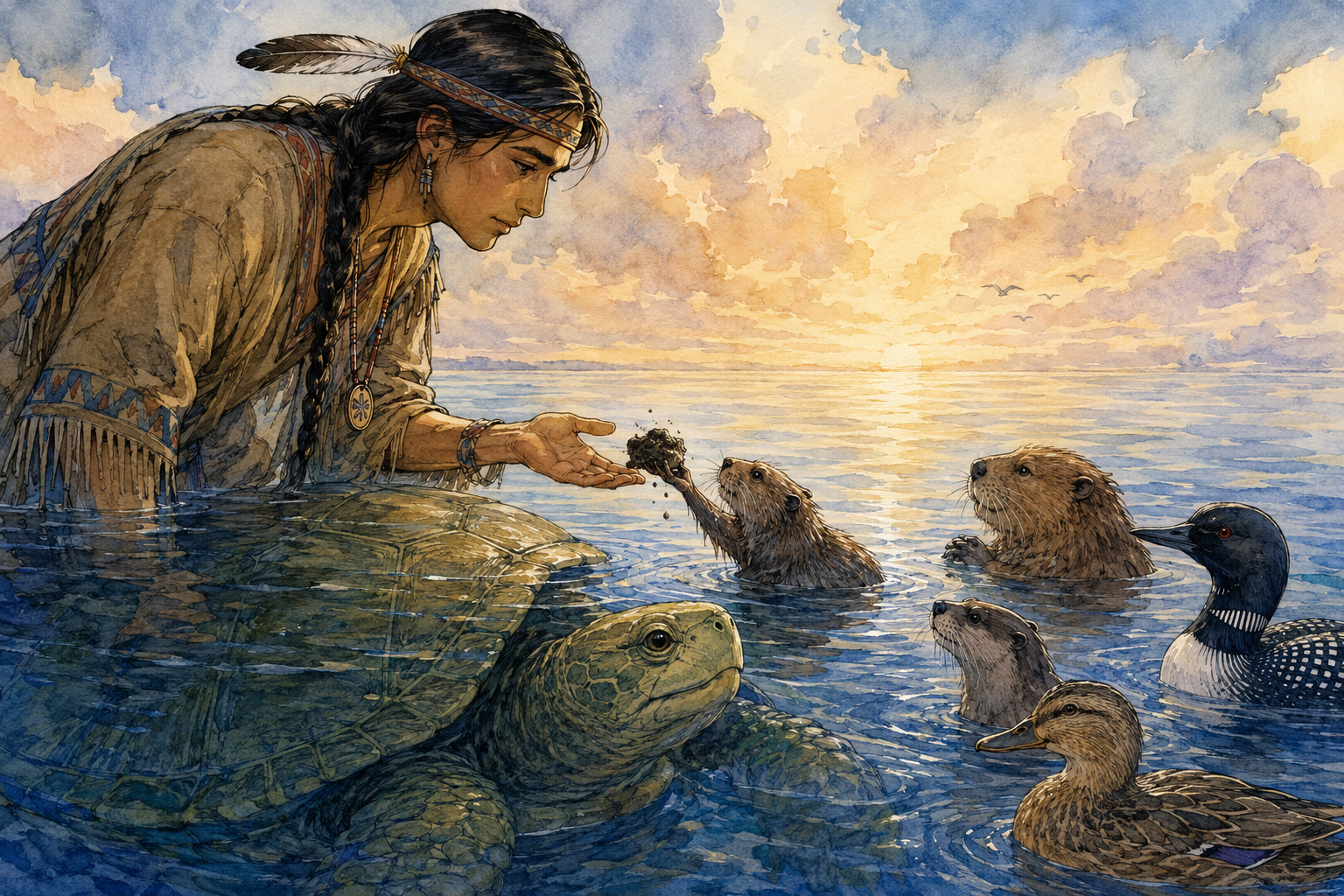
Quand les eaux ont tout englouti, Nanabozho cherche un reste de terre pour refaire le monde. Là où les plus forts échouent, un humble rat musqué ose plonger au fond des eaux.
Dans l’Inde ancienne, un petit poisson demande protection à Manu. En retour, il lui annonce un déluge à venir et lui révèle comment survivre à la fin d’un monde pour que l’humanité puisse renaître.
Quand un hiver terrible menace d’effacer toute vie, un roi reçoit une mission : bâtir un refuge secret, préserver les êtres vivants et préparer le recommencement du monde.
Et si le Déluge ne parlait pas d’un ancien cataclysme, mais de nous ? Un essai sur le savoir, la puissance et ces catastrophes que personne ne décide seul, mais que tous rendent possibles.
Freud a bouleversé notre manière de penser l’esprit humain. Mais que reste-t-il aujourd’hui de l’inconscient, du refoulement, des rêves et des complexes ? Une relecture moderne, critique et accessible, entre psychanalyse et psychologie contemporaine.
Derrière un rire apparemment innocent se cache parfois une émotion plus sombre : la joie de voir l’autre tomber. Pourquoi le malheur d’autrui amuse-t-il autant ? Et que révèle cette Schadenfreude de nos groupes, de nos entreprises et de notre humanité ?
On critique souvent les marchés sans les comprendre. Pourtant, nos sociétés reposent sur des échanges, des prix, des salaires, des risques et de la création de valeur. Pour transformer le monde lucidement, encore faut-il connaître ses mécanismes.
Les entreprises parlent de talents, de diversité et d’objectivité. Pourtant, des carrières se jouent parfois avant même que les compétences soient observées : dans une impression rapide, une étiquette sociale, un soupçon d’inadéquation.
Quand une organisation ne sait plus comprendre ses dysfonctionnements, elle peut désigner un coupable. Le bouc émissaire ne révèle pas seulement une victime : il révèle surtout un groupe incapable de regarder ses propres tensions en face.
Pourquoi certains salariés cessent-ils d’être des appuis pour devenir des freins ? Refus de l’effort, rigidité mentale, fermeture à la remise en question : un sujet humain, délicat, mais central dans la vie des entreprises.
Dans l’entreprise, l’agilité est souvent présentée comme une manière de travailler plus libre, plus intelligente et plus humaine. Mais le réel est souvent moins lisse. Ce texte examine sans naïveté l’écart entre la promesse agile et ses effets concrets.
Ce qui bloque en entreprise n’est pas toujours technique, organisationnel ou procédural. Il y a aussi des mécanismes invisibles à l’œuvre, souvent plus puissants qu’on ne veut l’admettre.
Entre mythe du loup-garou et syndrome délirant rare, la lycanthropie révèle un point fascinant où psychiatrie, cerveau, culture et histoire se rencontrent : que se passe-t-il lorsqu’un être humain cesse de se reconnaître comme humain ?
Pourquoi certains se trompent-ils avec autant d’assurance ? L’effet Dunning-Kruger éclaire un biais fascinant : l’incompétence peut aussi empêcher de reconnaître ses propres limites. Un mécanisme troublant, très visible dans notre époque saturée d’opinions.
What if the greatest innovations in computing were also its most elegant illusions? In software, “magic” rarely removes complexity — it hides it, delays it, and sends the bill later in performance, debt, opacity, and lost understanding.
Pourquoi un prix affiché influence-t-il ce que nous sommes prêts à payer ? Pourquoi la première estimation entendue déforme-t-elle toutes les suivantes ? L’effet d’ancrage révèle une faiblesse surprenante de notre jugement.
La suggestion agit souvent sans que nous nous en rendions compte. Une simple phrase peut influencer perception, souvenir ou croyance. Comment ces mécanismes fonctionnent-ils ? Et pourquoi notre esprit y est-il si sensible ? Cet article explore l’un des ressorts discrets de l’influence humaine.
A “stereotype” in software is a tool. In human life, it is a force. This essay explores the hidden gap between architectural labeling and cognitive power — and why AI is beginning to blur the line.
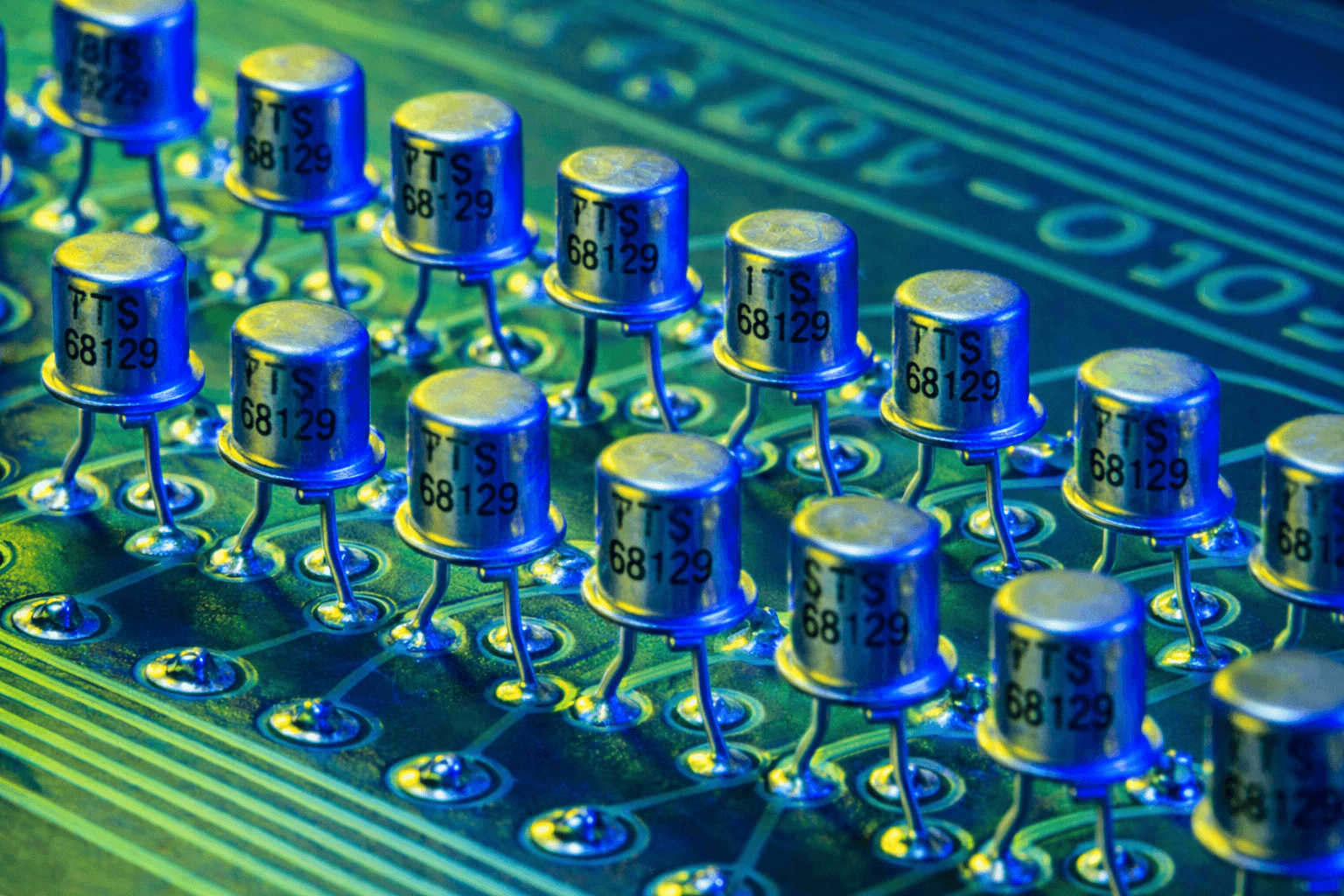
From Bell Labs to Intel, this is the hidden story behind the digital world. How did a tiny three-legged device become the foundation of logic gates, binary arithmetic, and the microprocessor? A journey through the engineering breakthroughs that built modern computing.
What if prototypes were never the problem — only the lack of discipline around them?
ProtoScript2 revisits prototype-based programming with static rigor, determinism, and architectural control. No folklore. No hidden costs. Just clarity, structure, and measurable design.
ProtoScript2 explores a deliberate rejection of implicit genericity. By embracing explicit specialization, it keeps complexity visible, semantics honest, and the link between code and machine intact. A language design choice shaped by history, not fashion.
Modern languages keep adding layers. ProtoScript V2 removes them. No classes, no dynamic magic—just static prototypes, fixed layouts, and explicit structure. A return to clarity, where object-oriented programming can finally be compiled with confidence.
What if the Flood was not about an ancient cataclysm, but about us? An essay on human responsibility, the transgression of knowledge, and catastrophes no one chooses alone—yet that all of us collectively bring into being.
The Bible hints at fallen beings, giants, and a world beyond repair. This essay turns to the Book of Enoch to tell the forgotten story of the Watchers, forbidden knowledge, and the true origins of Noah.
This video brings together real images of solar ejections captured by SOHO and an original musical composition named: The Ride of Electrons and Protons.
A Personal Retrospective In the late 1990s, many developers (myself included) encountered JavaScript through the lens of Java . The name alone suggested…
JavaScript is one of the most widely used programming languages in the world — yet its very name has caused decades of confusion. This article tells the little…