This site hosts independent analytical texts on technology, work, society, culture and art.
The articles published here are written without algorithmic constraints, without imposed formats, and without the pursuit of consensus. Each text is meant to stand on its own, developed at the pace required by analysis rather than by the attention economy.
The focus is on clarity, structure, and reasoning — not on reaction, trend-following, or commentary on existing discourse.
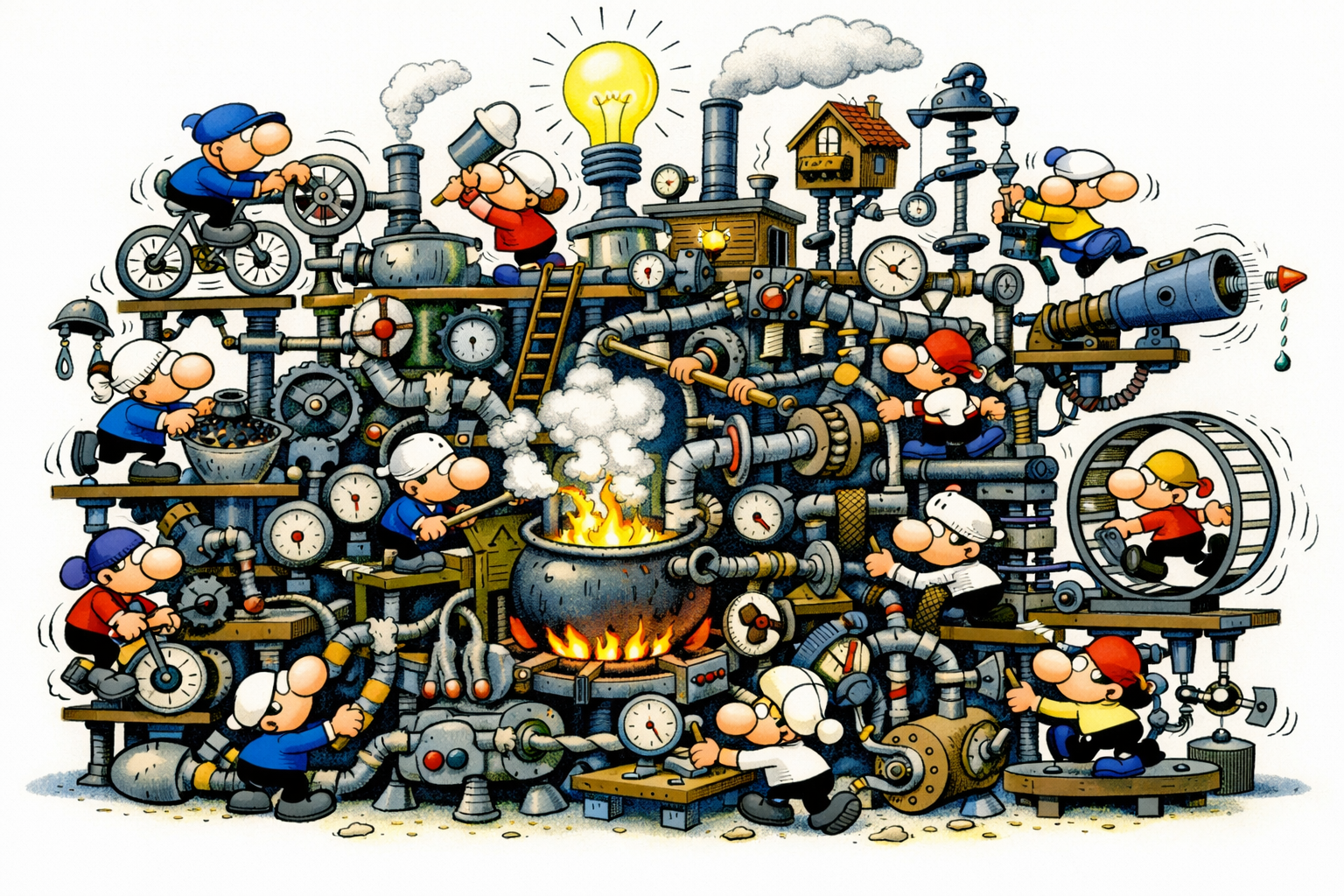
What if the greatest innovations in computing were also its most elegant illusions? In software, “magic” rarely removes complexity — it hides it, delays it, and sends the bill later in performance, debt, opacity, and lost understanding.
Pourquoi un prix affiché influence-t-il ce que nous sommes prêts à payer ? Pourquoi la première estimation entendue déforme-t-elle toutes les suivantes ? L’effet d’ancrage révèle une faiblesse surprenante de notre jugement.
La suggestion agit souvent sans que nous nous en rendions compte. Une simple phrase peut influencer perception, souvenir ou croyance. Comment ces mécanismes fonctionnent-ils ? Et pourquoi notre esprit y est-il si sensible ? Cet article explore l’un des ressorts discrets de l’influence humaine.
A “stereotype” in software is a tool. In human life, it is a force. This essay explores the hidden gap between architectural labeling and cognitive power — and why AI is beginning to blur the line.
From Bell Labs to Intel, this is the hidden story behind the digital world. How did a tiny three-legged device become the foundation of logic gates, binary arithmetic, and the microprocessor? A journey through the engineering breakthroughs that built modern computing.
What if prototypes were never the problem — only the lack of discipline around them?
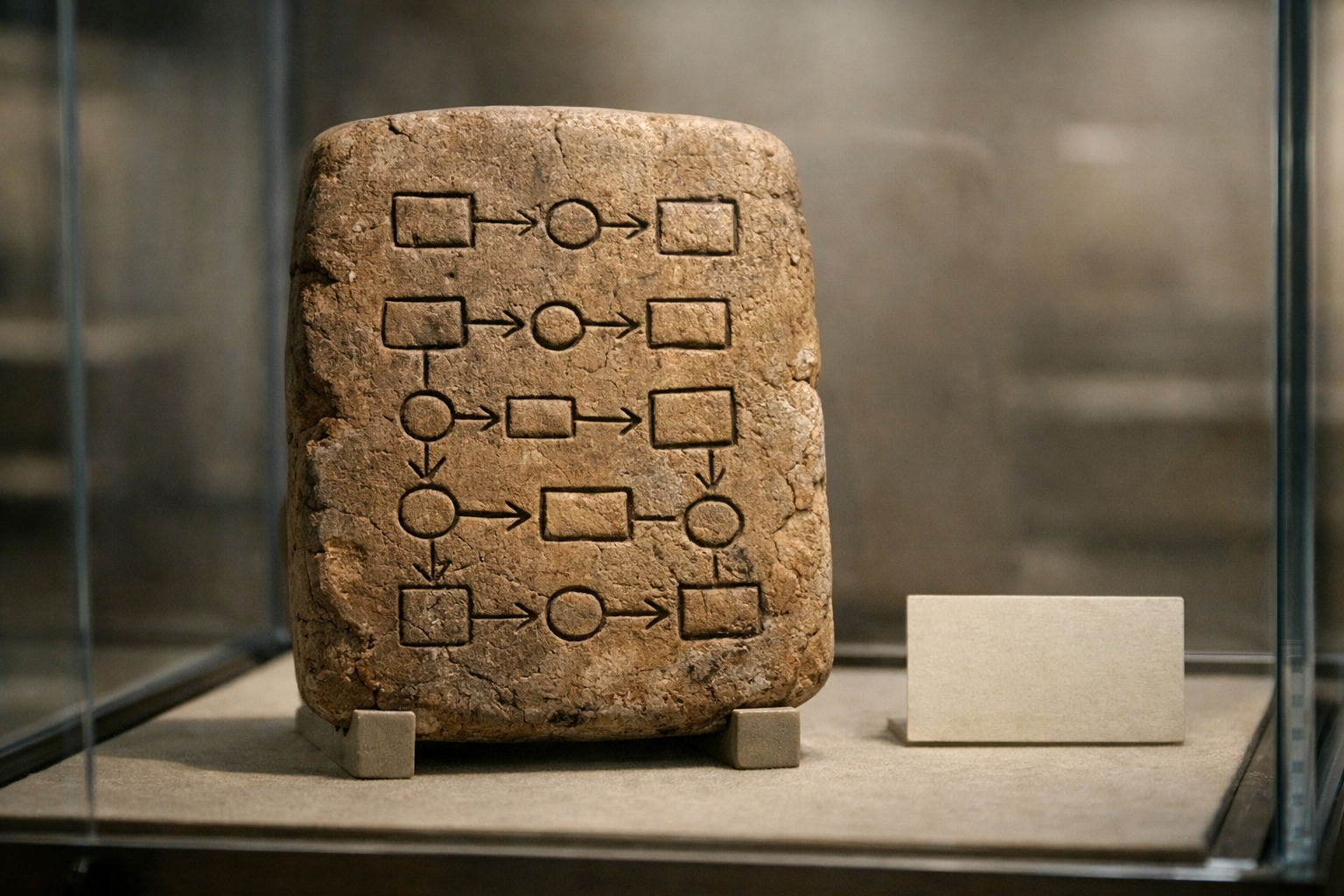
ProtoScript2 revisits prototype-based programming with static rigor, determinism, and architectural control. No folklore. No hidden costs. Just clarity, structure, and measurable design.
ProtoScript2 explores a deliberate rejection of implicit genericity. By embracing explicit specialization, it keeps complexity visible, semantics honest, and the link between code and machine intact. A language design choice shaped by history, not fashion.
Modern languages keep adding layers. ProtoScript V2 removes them. No classes, no dynamic magic—just static prototypes, fixed layouts, and explicit structure. A return to clarity, where object-oriented programming can finally be compiled with confidence.
What if the Flood was not about an ancient cataclysm, but about us? An essay on human responsibility, the transgression of knowledge, and catastrophes no one chooses alone—yet that all of us collectively bring into being.
The Bible hints at fallen beings, giants, and a world beyond repair. This essay turns to the Book of Enoch to tell the forgotten story of the Watchers, forbidden knowledge, and the true origins of Noah.
This video brings together real images of solar ejections captured by SOHO and an original musical composition named: The Ride of Electrons and Protons.
A Personal Retrospective In the late 1990s, many developers (myself included) encountered JavaScript through the lens of Java . The name alone suggested…
JavaScript is one of the most widely used programming languages in the world — yet its very name has caused decades of confusion. This article tells the little…